Where it all began...
Before I ever called myself an entrepreneur, I worked as an accountant in an international bank. It was a traditional, structured career the kind you’re expected to build your life around.
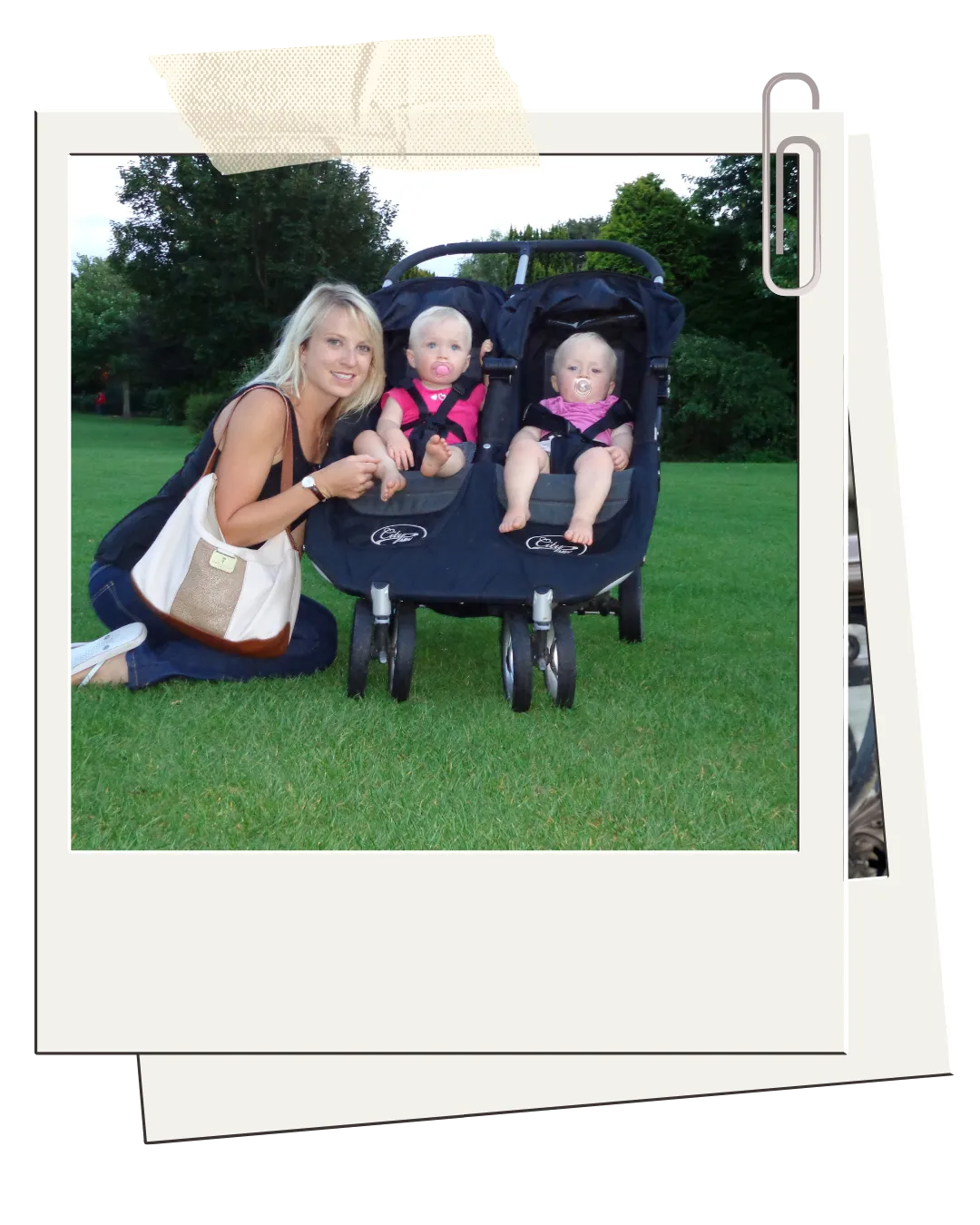
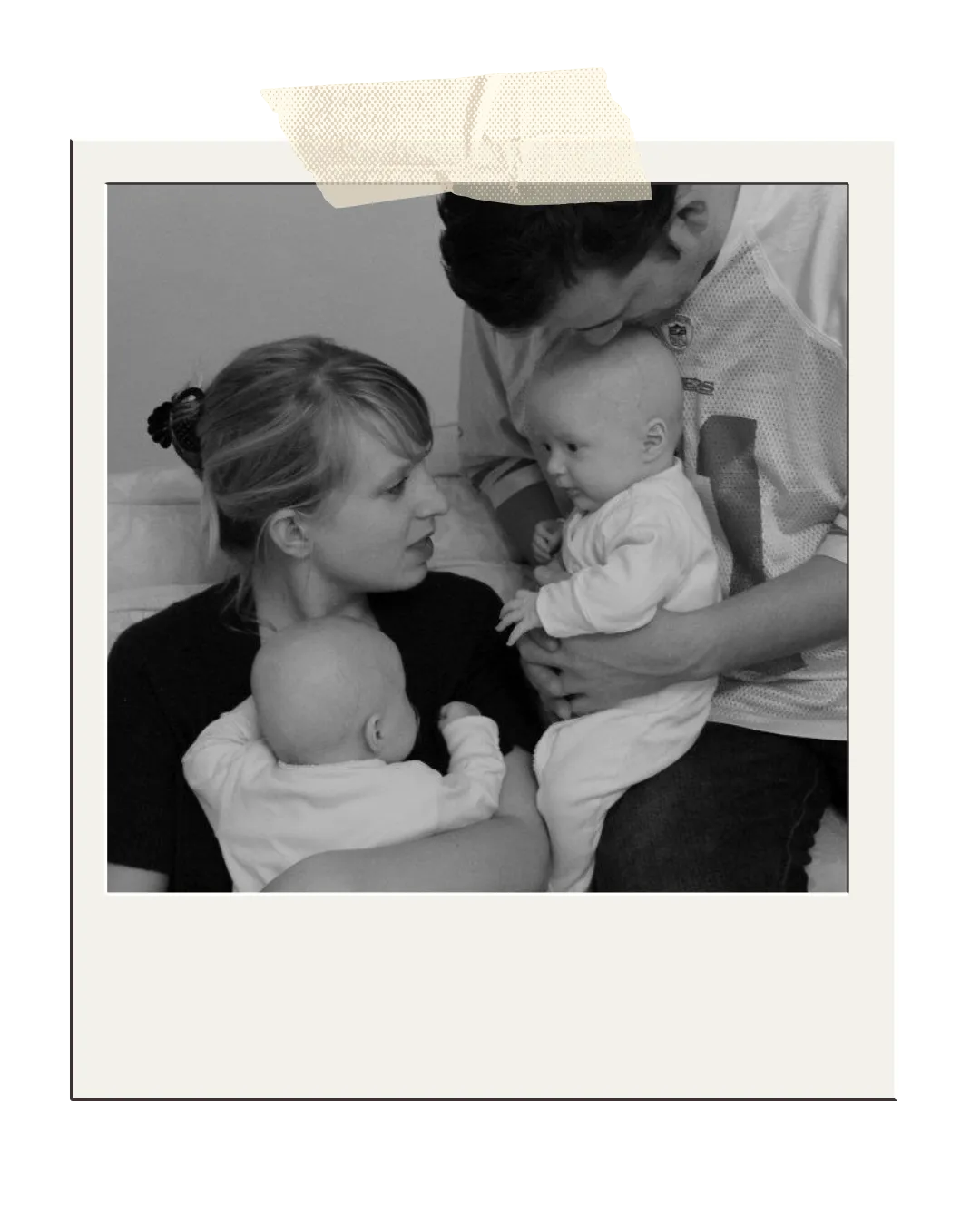
Then my twins were born in 2011, and everything changed.
Like many women, I was faced with a tough choice. It was either full-time nursery for the twins (these were the pre-covid, no such thing as work from home days) or resign my job and be a full-time mum. There was absolutely no contest there. The money I was earning at the bank would barely cover the nursery fees for two babies, so I handed in my notice and started my new role.
Starting from necessity...
What I later discovered, and what I’m now exploring through formal research, is that my story isn’t unusual.
In conversations with female entrepreneurs across the UK, a consistent theme emerges: many women start businesses not because they dreamed of entrepreneurship, but because motherhood made returning to full-time employment untenable.
For many women, entrepreneurship begins as an act of necessity and only later becomes a vehicle for freedom.
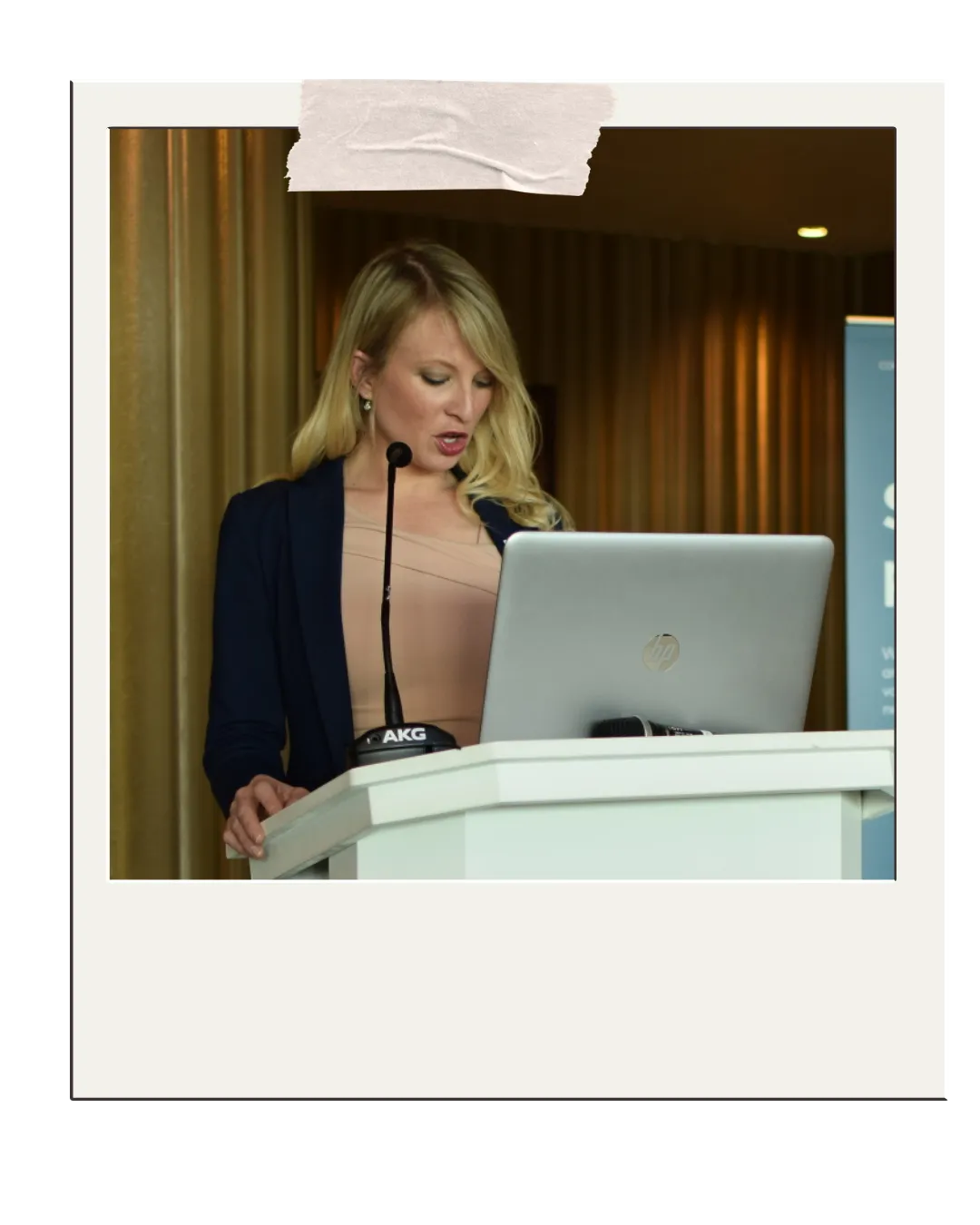
Learning Business From the Inside Out
In 2012, I founded Bevelyn Media (named after my daughters) at the exact moment Facebook business pages were first being rolled out. I began by setting up and managing pages for local businesses and learning digital marketing in real time, on the job, as the platforms themselves evolved.
At the same time, I also founded Jersey Children's Charity, a charity I continue to run to this day. From the very beginning, my work combined business, service, and impact.
My marketing business grew steadily and I learned everything on my own. I built WordPress websites, managed CRMs, designed graphics, learned fashion and food photography, handled email marketing, systems, and operations.
Over time, my role shifted from “marketing support” to something much deeper and I became a de facto business manager for many of my clients.
Those years gave me something invaluable: a wide-angle understanding of how businesses actually function behind the scenes.
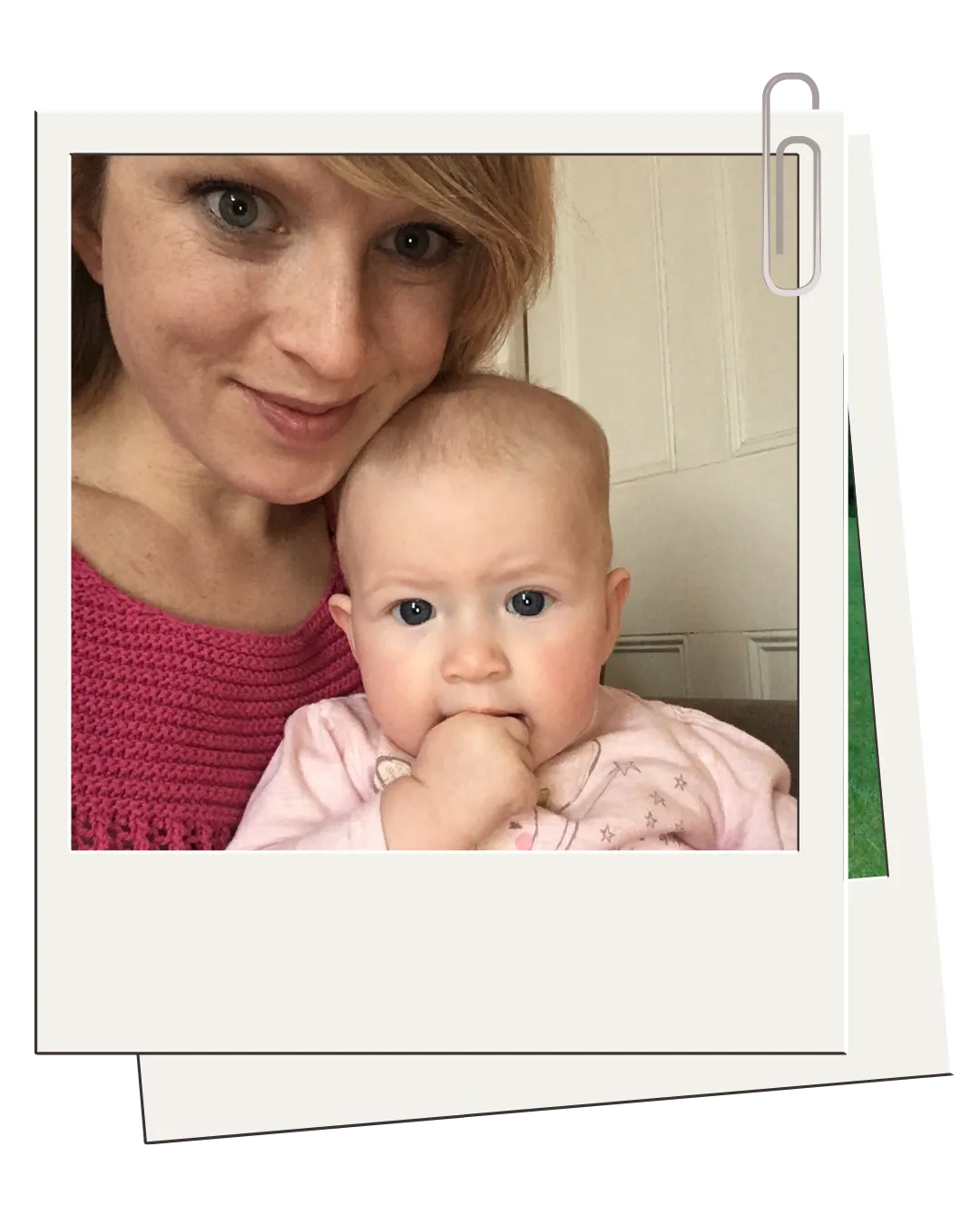
A Detour Into Coaching, Psychology, and Human Behaviour
When my youngest daughter was born, I felt pulled in a new direction.
I wanted to create a health and lifestyle membership for women and I wanted to contribute to it not just as a business owner, but as a practitioner. That decision led me into training as a life coach, a nutrition coach, and in Rapid Transformational Therapy with Marisa Peer.
I also completed a six-month Coding program at Digital Jersey where I project managed and coded the software platform for my membership business with a team of other students. We built the website, the gated content for members, and a full admin system for managing clients and content.
At the time, I believed I was pivoting away from business.
What I didn’t realise was that I was adding an entirely new layer to it.
Working in coaching, mindset, and behavioural change gave me a deep understanding of why people get stuck - not just emotionally, but strategically.
I learned how fear, identity, confidence, and subconscious beliefs show up inside businesses.
And eventually, it became clear: my true passion lived at the intersection of business, psychology, and strategy.
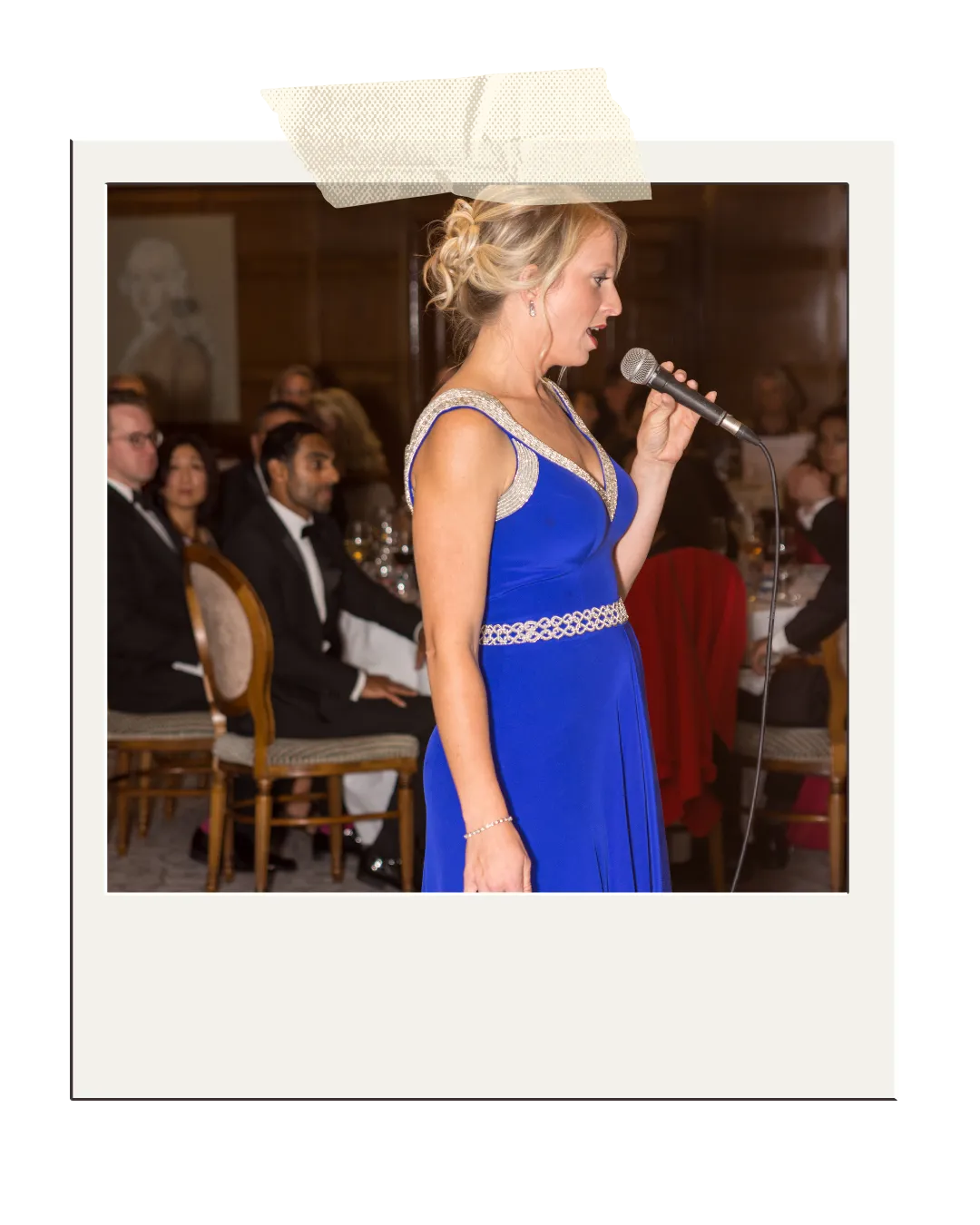
Returning to Business With a New Lens
When I shifted back into business and marketing strategy, I brought everything with me.
The technical skills.
The systems thinking.
And the coaching tools that helped clients break through the invisible barriers holding their businesses back.
This combination became the foundation of my work today supporting entrepreneurs who are deeply skilled at what they do, but often come from non-business backgrounds: healers, wellness practitioners, coaches, and creatives.
People who don’t want to become full-time marketers but do want to build serious, scalable businesses.
Alongside this work, I’ve continued my academic study and am currently pursuing a Master’s in Psychology and Neuroscience of Mental Health at King’s College London, deepening my understanding of human behaviour, cognition, and mental wellbeing.
Teaching Business...Not Just Talking About It
Alongside my work in business strategy, I qualified as a professional educator through City & Guilds, gaining formal teaching qualifications in adult education.
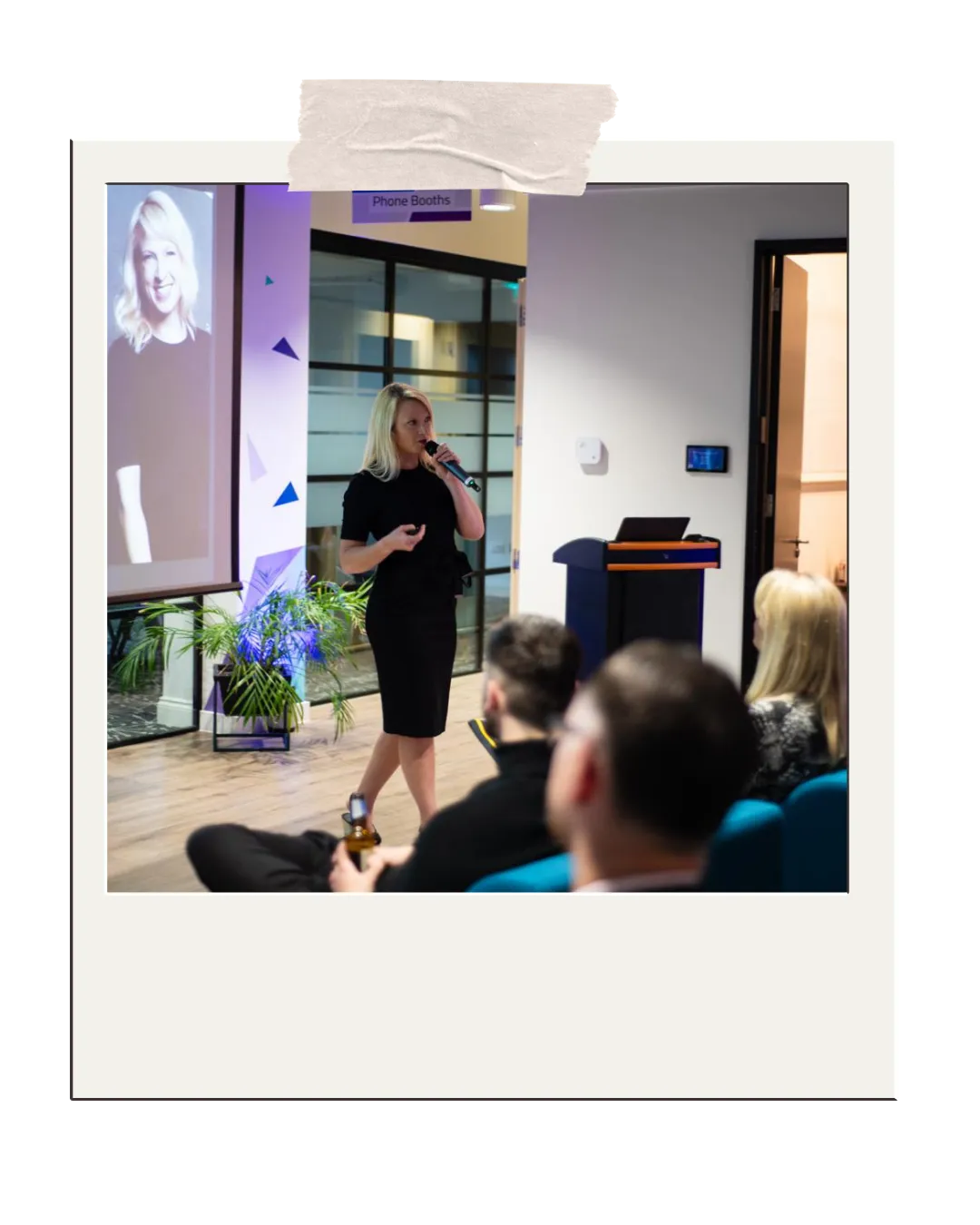
I went on to design and deliver an accredited business programme, Creating a Start-Up Business, which I taught to three cohorts of early-stage entrepreneurs through Highlands College as part of their Professional and Social Engagement offering.
While the course met accredited standards, the curriculum design, lesson structure, and delivery were entirely my own giving me first-hand experience in building learning journeys that turn complex business concepts into practical, actionable understanding.
The Freedom CEO Movement
All of these experiences led to what is now my central body of work: the Freedom CEO Movement.
The Freedom CEO Movement exists for ambitious entrepreneurs who want to scale their businesses without burning themselves out and without turning into something they’re not.
It’s not for hobbyist entrepreneurs.
It’s for people who want to:
Serve more people
Create real impact
Build leverage
And design businesses that support their lives
At the heart of this movement is the Freedom Business System - a strategic framework designed to help entrepreneurs streamline, systemise, and scale as efficiently as possible.
This means:
Creating systems that reduce overwhelm
Leveraging AI and automation intelligently
Delegating and building teams early
Staying firmly in your zone of genius
Because freedom doesn’t come from doing everything yourself.
It comes from building a business that doesn’t depend on you for everything.
"In just 1 hour, Kristin was able to help me view my coaching business strategy from a whole new perspective and guide me to needle-moving tasks. I had been doing all the things, from social media marketing to blogging to podcasting and seeing few, if any clients coming from those efforts. During our call, Kristin shared many more ways for me to get visible to my ideal client- from partnering with brands to collaborating with other creators in my niche. Since our call, I have connected with many new brands and opened up my business to a wide variety of new audiences. If you are looking for a straightforward, collaborative and knowledgeable business coach Kristin is the person for you!!."

The BEST business coach I could possibly imagine. Kristin is very knowledgeable, her support and guidance has exceeded my expectations. She showed me how to build website from the scratch, design the logo and saved me hundreds of pounds. We worked together on every step, including company registration. It was a pleasure working with Kristin, I would highly recommend her for anyone starting a business.

Kristin has a wealth of experience and is very knowledgeable on exactly what you need to know and do when starting up your own business. I particularly liked how Kristin shared her own experiences to bring the topics to life. She was highly supportive in helping me to navigate my way through the content and made the sessions enjoyable. I learnt so much and its been so valuable in setting up my business. Thank you 😊


